


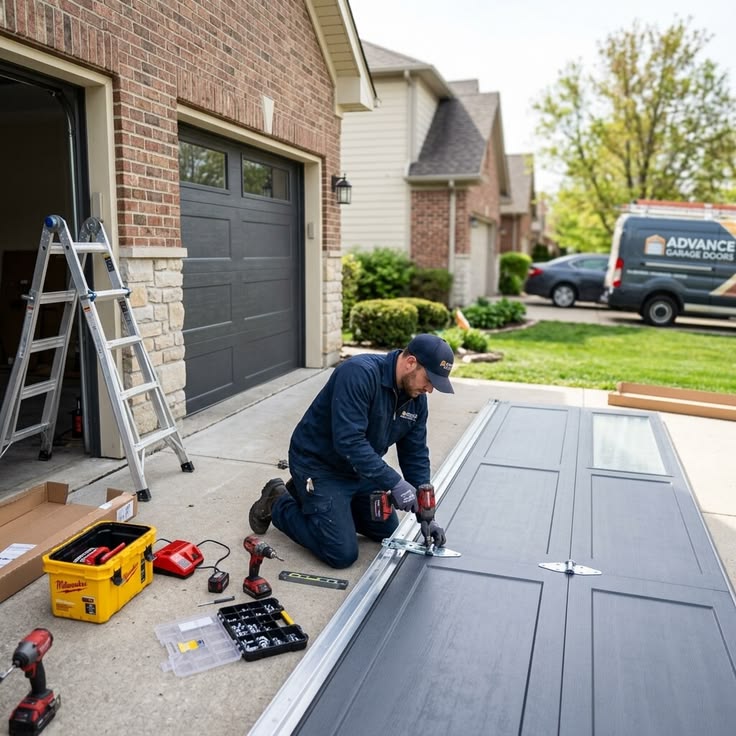
Whether you are pulling into your driveway after a long day or watching your kids ride bikes in the yard, your garage door plays a massive role in your home’s curb appeal, energy efficiency, and security. It is typically the largest moving piece of equipment on a residential property, yet it is often taken for granted until something goes wrong.
Choosing the right garage door opener installation Phoenix AZ—and knowing how to maintain it—can save money, increase home value, and elevate the look of your house.
1. Popular Garage Door Materials
Selecting the right material depends on your local climate, maintenance willingness, and aesthetic preferences.
- Steel: The most popular choice due to its durability, affordability, and low maintenance. Steel doors come in endless colors and can even mimic natural wood finishes.
- Wood: Unmatched in timeless beauty and warmth. Wood allows for custom craftsmanship, though it requires regular painting or staining to prevent weather damage and warping.
- Aluminum & Glass: Modern, sleek, and resistant to rust. Full-view glass doors framed in aluminum are ideal for contemporary home designs.
- Fiberglass & Composite: Designed to offer the appearance of real wood without the high maintenance. They resist denting and rot, making them exceptionally long-lasting.
2. Choosing the Right Style
Your garage door often makes up to 30% of your home’s front facade. Aligning the door’s style with your architectural design makes a huge visual impact.
| Style | Best Suited For | Key Features |
|---|---|---|
| Traditional Raised-Panel | Colonial, Ranch, Suburban homes | Classic, clean lines with standard recessed or raised panels. |
| Carriage House | Craftsman, Farmhouse, Rustic homes | Mimics old-fashioned barn doors with decorative hardware and arches. |
| Modern / Contemporary | Mid-century modern, Minimalist homes | Clean aluminum frames, frosted or clear glass panels, and asymmetrical designs. |
3. Insulation and Energy Efficiency
If your garage is attached to your home or sits below a living space, insulation is essential.
Look for doors rated by R-value, which measures thermal resistance. A higher R-value means better insulation:
Why Insulation Matters:
- Lowers Energy Bills: Keeps hot air out in summer and retains heat in winter.
- Reduces Noise: Insulated panels dampen street sound and operate much more quietly than single-layer steel doors.
- Adds Strength: Polyurethane or polystyrene cores reinforce the metal or wood skin, making the door less prone to denting.
4. Maintenance Tips for Longevity
A little routine maintenance goes a long way toward extending the life of your garage door system.
- Inspect the Rollers: Nylon or steel rollers should be checked twice a year and replaced every 5 to 7 years.
- Lubricate Moving Parts: Apply a lithium or silicone spray to high-friction areas—including springs, tracks, and hinges—every six months.
- Test the Safety Features: Periodically test the auto-reverse mechanism by placing a solid object (like a piece of wood) on the ground where the door lowers. If the door doesn’t reverse upon hitting it, the sensors or opener need adjusting.
- Keep the Tracks Clear: Clean debris and dirt out of the side tracks, but avoid greasing them directly, as grease traps dirt.
The Bottom Line
Upgrading your garage door yields one of the highest returns on investment (ROI) among home renovation projects. By selecting a durable material, matching the style to your home, and keeping up with simple maintenance, you can ensure your garage door stays functional, safe, and sharp-looking for years to come.Whether you are pulling into your driveway after a long day or watching your kids ride bikes in the yard, your garage door plays a massive role in your home’s curb appeal, energy efficiency, and security. It is typically the largest moving piece of equipment on a residential property, yet it is often taken for granted until something goes wrong.
Choosing the right garage door—and knowing how to maintain it—can save money, increase home value, and elevate the look of your house.
1. Popular Garage Door Materials
Selecting the right material depends on your local climate, maintenance willingness, and aesthetic preferences.
- Steel: The most popular choice due to its durability, affordability, and low maintenance. Steel doors come in endless colors and can even mimic natural wood finishes.
- Wood: Unmatched in timeless beauty and warmth. Wood allows for custom craftsmanship, though it requires regular painting or staining to prevent weather damage and warping.
- Aluminum & Glass: Modern, sleek, and resistant to rust. Full-view glass doors framed in aluminum are ideal for contemporary home designs.
- Fiberglass & Composite: Designed to offer the appearance of real wood without the high maintenance. They resist denting and rot, making them exceptionally long-lasting.
2. Choosing the Right Style
Your garage door often makes up to 30% of your home’s front facade. Aligning the door’s style with your architectural design makes a huge visual impact.
| Style | Best Suited For | Key Features |
|---|---|---|
| Traditional Raised-Panel | Colonial, Ranch, Suburban homes | Classic, clean lines with standard recessed or raised panels. |
| Carriage House | Craftsman, Farmhouse, Rustic homes | Mimics old-fashioned barn doors with decorative hardware and arches. |
| Modern / Contemporary | Mid-century modern, Minimalist homes | Clean aluminum frames, frosted or clear glass panels, and asymmetrical designs. |
3. Insulation and Energy Efficiency
If your garage is attached to your home or sits below a living space, insulation is essential.
Look for doors rated by R-value, which measures thermal resistance. A higher R-value means better insulation:
Why Insulation Matters:
- Lowers Energy Bills: Keeps hot air out in summer and retains heat in winter.
- Reduces Noise: Insulated panels dampen street sound and operate much more quietly than single-layer steel doors.
- Adds Strength: Polyurethane or polystyrene cores reinforce the metal or wood skin, making the door less prone to denting.
4. Maintenance Tips for Longevity
A little routine maintenance goes a long way toward extending the life of your garage door system.
- Inspect the Rollers: Nylon or steel rollers should be checked twice a year and replaced every 5 to 7 years.
- Lubricate Moving Parts: Apply a lithium or silicone spray to high-friction areas—including springs, tracks, and hinges—every six months.
- Test the Safety Features: Periodically test the auto-reverse mechanism by placing a solid object (like a piece of wood) on the ground where the door lowers. If the door doesn’t reverse upon hitting it, the sensors or opener need adjusting.
- Keep the Tracks Clear: Clean debris and dirt out of the side tracks, but avoid greasing them directly, as grease traps dirt.
The Bottom Line
Upgrading your garage door yields one of the highest returns on investment (ROI) among home renovation projects. By selecting a durable material, matching the style to your home, and keeping up with simple maintenance, you can ensure your garage door stays functional, safe, and sharp-looking for years to come.
