


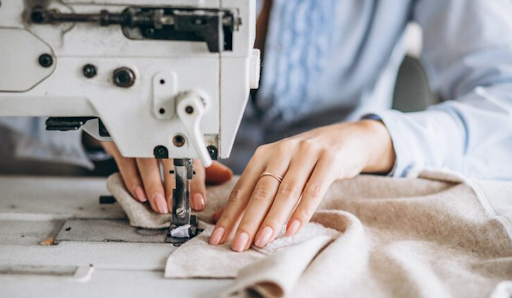
Buying a sewing machine is an important decision, whether you are a beginner, a hobbyist, or someone who sews regularly. The right machine can make sewing easier, faster, and more enjoyable. However, with so many models and features available, choosing the best option can sometimes feel challenging. Understanding what to look for can help you find a machine that matches your needs, skills, and budget. Before making a purchase, consider the following essential features.
User-Friendly Controls in Sewing Machines
One of the first things to consider when buying sewing machines is how easy they are to operate. Beginners should look for models with simple buttons, clear instructions, and easy-to-understand settings. A user-friendly control panel makes it easier to select stitches, adjust speed, and change settings without confusion.
Machines with automatic features can also save time and reduce mistakes. For example, an automatic needle threader makes threading the needle easier, while a simple bobbin system helps users prepare the machine quickly.
Different Stitch Options
Stitch variety is another important feature to consider. Basic sewing machines usually offer straight and zigzag stitches, which are suitable for many everyday projects. However, if you enjoy creative sewing or want to work on different fabrics, choosing a machine with more stitch options can be helpful.
Decorative stitches, stretch stitches, and buttonhole settings allow you to complete a wider range of projects. Having several stitch options also gives you more flexibility as your sewing skills improve.
Adjustable Speed Settings
Speed control is particularly useful for people who are learning to sew. Some sewing machines allow users to adjust the stitching speed according to their comfort level. This feature makes it easier to work on detailed designs, curved edges, and delicate fabrics.
Experienced users can benefit from higher speed settings when completing larger projects. A machine with adjustable speed offers better control and allows different users to work at their own pace.
Strong Motor and Durable Build
The quality of the motor and overall construction can affect how well a sewing machine performs over time. A strong motor helps the machine handle different materials, including thicker fabrics such as denim and canvas. A sturdy frame also reduces unwanted movement and supports smoother operation.
When comparing sewing machines, pay attention to their build quality and materials. Choosing a durable model can provide reliable performance and reduce the need for frequent replacements.
Useful Accessories and Attachments
Accessories can make sewing tasks more convenient. Many machines include different presser feet, bobbins, needles, seam rippers, and extension tables. These accessories help users complete various sewing projects with greater ease.
It is also helpful to check whether additional attachments are available for the model you want to purchase. Having access to compatible accessories can make your machine more useful as your needs change.
Conclusion
Choosing the right sewing machine requires careful consideration of its features, performance, and ease of use. Adjustable speed, stitch variety, durable construction, simple controls, and useful accessories can all improve your sewing experience. By comparing different sewing machines and understanding your requirements, you can make a confident purchasing decision and find a model that supports your creative projects for years to come.
