


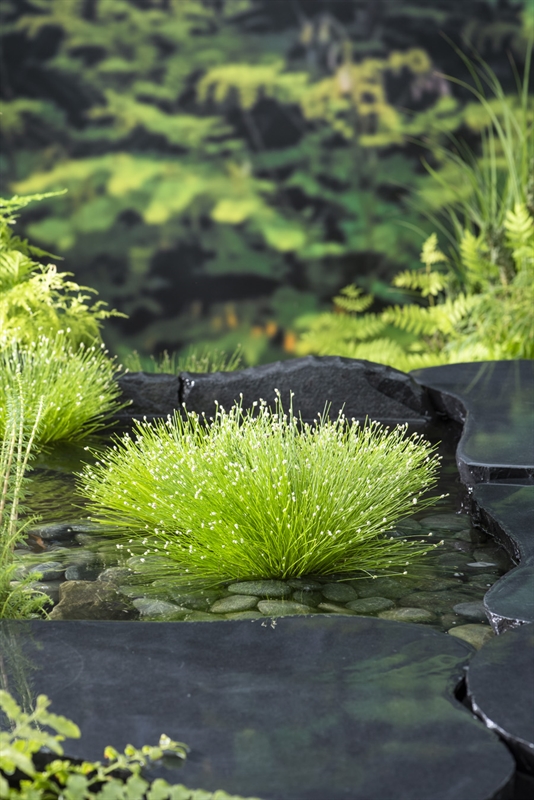
A garden pond can become a beautiful focal point, but the right plants are essential for creating a complete and natural-looking water feature. Marginal pond plants are particularly useful because they thrive in shallow water and damp areas around the pond edge. They can add color, texture, and height while helping the pond blend naturally with the surrounding garden.
For gardeners who want a simple way to improve their water feature, choosing to Buy Marginal Pond Plants for Easy and Attractive Pond Planting can provide an effective solution. With the right selection and basic care, these plants can create an attractive pond border without requiring complicated maintenance.
What Are Marginal Pond Plants?
Marginal pond plants are plants that naturally grow around the shallow edges of ponds, lakes, and streams. They generally prefer wet or waterlogged conditions, with their roots growing in shallow water or moist soil while their foliage extends above the surface.
There are many types available, ranging from colorful flowering plants to varieties with tall, architectural foliage. This variety allows gardeners to create different styles of pond landscaping.
Benefits of Planting Marginal Pond Plants
Enhance the Pond’s Appearance
Marginal plants can soften hard pond edges and help disguise artificial liners or containers. Their natural foliage creates a smoother transition between the water and surrounding landscape.
Add Seasonal Color
Flowering marginal plants can introduce attractive colors during the growing season. Combining different species can provide changing visual interest as plants bloom at different times.
Encourage Wildlife
Plants around the pond edge can offer shelter and habitat for insects, frogs, and other small wildlife. Flowering varieties can also attract pollinating insects to the garden.
Create a Natural Landscape
Marginal plants help make a pond look more established and natural. Their varied heights and textures can complement stones, gravel, grasses, and other garden plants.
Popular Marginal Pond Plants
When you Buy Marginal Pond Plants for Easy and Attractive Pond Planting, consider varieties that match your pond’s size and growing conditions.
Water Iris
Water-loving iris varieties are valued for their attractive flowers and upright foliage. They can add height and seasonal interest to shallow pond margins.
Marsh Marigold
Marsh marigold is an excellent choice for damp areas and can produce bright flowers that bring additional color to the pond edge.
Pickerelweed
Pickerelweed features broad leaves and distinctive flowers. It can contribute to a lush appearance while adding vertical interest to suitable waterside areas.
Cattails
Cattails have strong vertical foliage and can give larger ponds a natural wetland appearance. Because they may spread quickly, it is important to manage their growth and choose an appropriate location.
How to Choose the Right Marginal Plants
Selecting plants carefully is important for creating an attractive and manageable pond. Start by checking the available water depth and moisture levels.
Consider Sunlight
Determine how much sunlight your pond edge receives. Some varieties prefer full sun, while others can tolerate partial shade.
Check Mature Growth
Always consider how large each plant will become. Choosing varieties that fit your pond’s available space can prevent overcrowding later.
Match Planting Depth
Different marginal plants require different water depths. Check the growing instructions before planting and position each variety accordingly.
Simple Tips for Planting Marginal Plants
Use Aquatic Planting Baskets
Planting baskets can make it easier to position marginal plants at the correct depth. Use suitable aquatic growing media to encourage healthy root development.
Arrange Plants by Height
Place taller plants toward the rear of the pond and shorter varieties closer to the water’s edge. This creates a layered effect and keeps the pond visually open.
Avoid Overcrowding
Give plants enough space to spread naturally. Planting too many specimens together can lead to competition and make the pond edge difficult to maintain.
Caring for Your Pond Plants
Marginal pond plants are generally straightforward to maintain once established. Remove dead leaves and flowers regularly to keep the planting area neat.
Fast-growing plants may require occasional thinning or division. Regularly checking plant growth allows you to prevent aggressive varieties from dominating the pond edge.
Removing fallen leaves and excessive debris from the pond is also helpful. Keeping organic material under control can contribute to a cleaner-looking water feature.
Creating an Attractive Pond Planting Scheme
A successful pond border combines different forms, colors, and textures. Consider pairing flowering plants with foliage-focused varieties to maintain visual interest throughout the season.
When you Buy Marginal Pond Plants for Easy and Attractive Pond Planting, think about how the plants will look together as they mature. Grouping complementary varieties can create a cohesive display, while natural stones and gravel can enhance the overall design.
Final Thoughts
Marginal pond plants offer a practical and attractive way to improve the appearance of a garden pond. They can soften pond edges, add seasonal color, provide wildlife habitat, and create a natural connection between the water feature and surrounding garden.
With suitable plant selection, correct planting depth, and simple ongoing maintenance, you can enjoy a beautiful pond border with relatively little effort. If you want to Buy Marginal Pond Plants for Easy and Attractive Pond Planting, focus on varieties that suit your pond’s conditions, available space, and desired garden style.
