


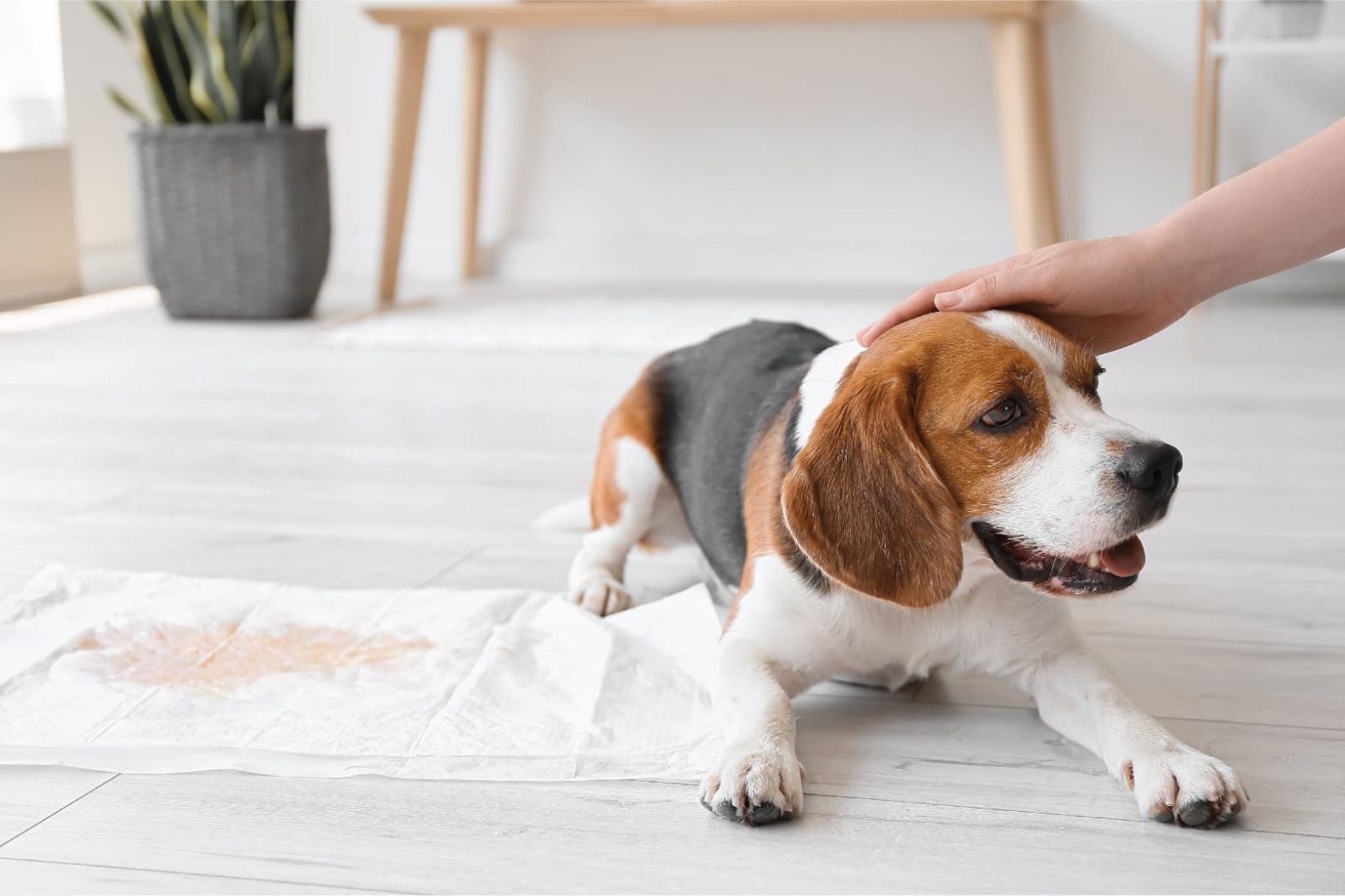
Housebreaking and potty training dogs requires consistency, patience, and an understanding of canine behavior. Whether you are welcoming a new puppy or helping an adult dog develop better bathroom habits, establishing a reliable routine can reduce accidents and make everyday life easier.
Successful house training involves more than teaching a dog where to eliminate. It also requires recognizing physical needs, managing the environment, and rewarding desirable behaviors. With the right approach, owners can build trust and establish habits that last.
Understanding the Basics of Housebreaking and Potty Training Dogs
Dogs do not automatically understand where they should relieve themselves indoors or outdoors. They learn through repetition, environmental cues, and consistent feedback. Puppies need time to develop bladder control, while adult dogs may require retraining after moving to a new home or experiencing changes in their routine.
Age, health, previous training, and daily schedules all influence progress. Understanding these differences helps owners set realistic expectations and develop an effective training plan. Patience is essential throughout this process. Celebrating small improvements and maintaining consistent expectations helps dogs feel secure while developing reliable bathroom habits that fit their household’s daily routine.
Create a Consistent Potty Training Schedule
A predictable schedule helps owners anticipate when their dogs need bathroom breaks. Regular opportunities to eliminate reduce the likelihood of indoor accidents.
Take your dog outside at these important times:
- Immediately after waking up or finishing a nap.
- Shortly after meals and drinking water.
- After active play.
- Before bedtime.
- Whenever signs of needing to be eliminated appear.
Young puppies may need bathroom breaks every 30 to 60 minutes while awake, depending on their age and individual needs. Adult dogs also benefit from predictable bathroom opportunities throughout the day.
Using the same outdoor area can help dogs recognize an appropriate bathroom location through familiar smells. Consistency makes the learning process easier to understand.
Recognize the Signs Your Dog Needs to Go
Dogs often communicate their bathroom needs through changes in behavior. Common signs include sniffing the floor, circling, pacing, whining, or suddenly stopping play.
When these signals appear, take your dog outside promptly. Waiting too long can lead to accidents, even when training is progressing well.
Supervision is particularly important during the early stages of house training. Keeping your dog within sight allows you to respond quickly and reinforce the desired behavior.
Use Positive Reinforcement to Build Reliable Habits
Positive reinforcement helps dogs connect appropriate bathroom behavior with rewarding outcomes. Immediately offering praise or a small treat after outdoor elimination makes the desired behavior easier to recognize.
Follow these simple steps:
- Take your dog to the designated bathroom area.
- Allow time to sniff and eliminate without excessive distractions.
- Reward the dog immediately after it finishes.
- Repeat the routine consistently throughout the day.
Avoid delaying the reward until you return indoors, because immediate feedback creates a clearer association.
A calm, repeatable routine encourages learning without unnecessary stress. Over time, consistent reinforcement helps dogs develop dependable bathroom habits.
Manage Indoor Accidents Without Punishment
Accidents are common during house training. Shouting, hitting, or rubbing a dog’s nose in a mess can create fear without teaching the dog where to eliminate.
If you catch your dog beginning to eliminate indoors, gently interrupt and take it outside. Reward appropriate elimination if the dog finishes outdoors. If you discover an accident later, clean the area thoroughly without scolding.
An enzymatic cleaner designed for pet messes can help remove lingering odors that may encourage repeat accidents.
Prevention is equally important. Use baby gates, close doors to unused rooms, and supervise your dog carefully. A properly introduced crate may help with management, but it should never replace regular bathroom breaks or appropriate exercise.
Adapt Potty Training to Your Dog’s Needs
Every dog benefits from a training approach suited to its age and circumstances. Understanding your dog’s individual habits, energy levels, and daily routine can make training more effective. Adjusting your approach as your dog develops helps build confidence, encourages consistency, and supports long-term success.
Potty Training Puppies
Puppies need frequent bathroom breaks, close supervision, and consistent rewards. Because bladder control develops gradually, owners should expect occasional accidents and adjust the schedule as their puppies mature.
House Training Adult and Rescue Dogs
Adult dogs may need time to adjust to unfamiliar surroundings and household expectations. Start with frequent outdoor trips, reward successful elimination, and establish a predictable routine.
Potty Training Dogs With Busy Owners
Busy schedules can make regular bathroom breaks challenging. Depending on the dog’s needs, consider arranging a trusted caregiver, hiring a dog walker, or coordinating with another household member.
Indoor potty areas may suit certain situations, but they should be introduced consistently to avoid confusion about bathroom expectations.
Understand Why House Training Sometimes Fails
Persistent accidents may result from inconsistent schedules, insufficient supervision, delayed rewards, or confusing expectations. Stress and changes in routine can also disrupt progress.
Medical conditions should not be overlooked. Urinary tract problems, digestive issues, and age-related changes can affect bathroom habits. If a previously house-trained dog suddenly starts having accidents, consult a veterinarian, especially if discomfort or unusual thirst accompanies the change.
Tracking bathroom times, meals, and accidents can reveal patterns and help owners adjust their approach.
When Professional Dog Training Can Help
Some dogs need individualized guidance to establish reliable bathroom habits. Repeated accidents, anxiety-related behaviors, or limited progress may indicate that the current approach needs adjustment.
Professional dog training can help owners improve supervision, establish practical routines, and reinforce appropriate behavior. A qualified trainer can also identify mistakes that make housebreaking more difficult.
Look for a training professional who uses humane methods, explains recommendations clearly, and adapts strategies to each dog’s circumstances.
Build Long-Term Success Through Consistency
Housebreaking and potty training dogs takes time, patience, and repeated successful experiences. Consistent schedules, close supervision, timely rewards, and appropriate accident management help dogs understand household expectations.
Progress may vary because of developmental changes, stress, or health concerns. Owners who focus on prevention rather than punishment can create a positive learning environment and build dependable bathroom habits.
When challenges persist, veterinary advice or professional training support can help identify practical next steps. Making the right behavior easy to practice and rewarding it consistently gives dogs a stronger foundation for long-term success.
For expert guidance and dog training support, visit robsdogs.
